
What to know when buying a business

Finding a new business venture is exciting – you can leverage an established client base and reputation and make a profit immediately. It’s less risky than starting from the ground up, but you must still ensure that the company is as good as it seems. Here are key factors to consider when buying a business.
Due diligence
We recommend confirming an exclusivity period with the seller and agreeing to a price and terms before performing due diligence when buying a business. Due diligence is a lot of work, and you will likely have to outsource advisors, so agreeing to an exclusivity period before you begin your investigation is a smart choice. The period is negotiable, but most due diligence investigations take at least four weeks to complete. An advisor will help you decide the time period.
- Review financial statements
Evaluating the financials is one of the most important steps to deciding if buying a business is right for you. It’s a key part of the research and not one to be taken lightly. An experienced accountant can help you make the right decision by reviewing revenue, debt, profits, cash flow, expenses, regular outgoings, and other key financial indicators. Getting into the financials will bring red flags or black holes to light, and you will have to decide if you’re willing to take this on.
- Evaluate the legal liabilities
Review the company’s legal liabilities and ensure that all litigation and regulation issues are addressed before completing the sale. You don’t want to be in a position where you are inheriting litigation issues, leading to potentially expensive and long-winded lawsuits. During the legal due diligence, you will discover what assets the company does or does not own. Make sure you are aware of intellectual property ownership, as well as any patents or trademarks that come with the deal.
- Confirm the company’s entity status
Confirm if the company is a limited liability company (LLC) or a corporation, then evaluate entity documents and related records. Those records could be operating agreements, bylaws, or resolutions. And while it might seem obvious, ensure that the business owner has the legal right to sell it.
- Check zoning regulations
If the company you intend on purchasing comes with property, ensure that the transition is seamless. Ensure that the business activity being conducted is permitted at the property under zoning regulations. Even if the current owner has been using the property for a certain business purpose for years, they might not have been doing so legally. The new owner will eventually be penalised for violating zoning regulations.
Value
It might seem like the most obvious consideration, but it’s worth understanding what the company you intend on buying is worth. Is it a seasonal business, and can that sustain it throughout the year? Does it have a loyal client base? What would happen if one of those clients decided to buy from a competitor? Learn why the current owner is selling – is it due to decreasing profits?
If possible, speak to the company’s current clients and customers. This should be done sensitively, and the current owner should know that you are doing this. Customers, clients, or suppliers might be able to offer critical information that can help you understand the company’s value while learning more about the company’s reputation in the industry. In addition, you should consider:
- The business’ current sales, turnover, and profit
- Future projections and business plans
- The business’ financial history
- Cashflow, debts, assets, and expenses
- Future regulatory changes that might have an impact on the company
- The market conditions that affect the business
- What other businesses in the same industry have sold for
Valuations are an important step to learning if this is the right business for you and something that you want to take on. At Finerva, we have extensive experience in valuations and are well-equipped to provide you with comprehensive valuation advice.
Competitive Advantage (or Disadvantage)
A competitive advantage is key to acquiring a successful business, particularly in a saturated market. There are several ways to understand a company’s competitive advantage.
- Compare the company’s valuation against other businesses’ valuations in the same field.
- Understand what this company has that others in the same industry don’t have.
- Consider the company’s reputation and investigate information that could affect the company’s reputation and have a financial impact.
Operations and Employees
Ensure that you have a clear picture of the day-to-day running of the business. The owner will likely assure you that the business operations run smoothly, but you should confirm this yourself. Evaluate operational functions, manufacturing procedures, supply chain management, and capital expenditures.
Carefully consider the existing employees. In the UK, employees are protected by the Transfer of Undertakings (Protection of Employment) Regulations – TUPE for short. The terms and conditions of TUPE protect the employees’ salaries, benefits, and general employment rights. The regulations also ensure that when a new employer takes over, their position in the company is maintained. If you, as the new owner, want to employ fewer staff, you may be liable for unfair dismissal. For a streamlined transition process, make sure that you’re happy with the current employees as well as their salaries and benefits.
Buying a business is a lot of work. While purchasing a pre-existing venture is considered low risk, there’s still a lot of groundwork to put in. At Finerva, our experienced team of professionals is well-positioned to support you with the due diligence. Get in touch today for confidential, clear advice.
The information available on this page is of a general nature and is not intended to provide specific advice to any individuals or entities. We work hard to ensure this information is accurate at the time of publishing, although there is no guarantee that such information is accurate at the time you read this. We recommend individuals and companies seek professional advice on their circumstances and matters.
-

National Minimum Wage Checks in 2026: What Businesses Need To Review Now
26 September 2026
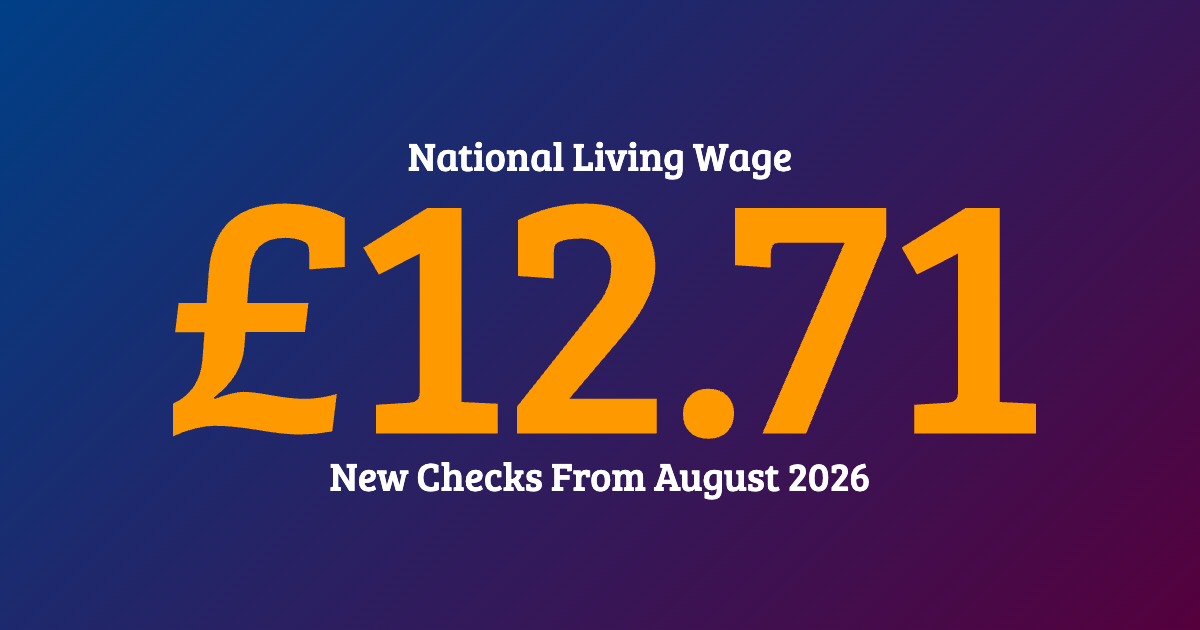
Enforcement is also stepping up. The new Fair Work Agency (FWA) launched on 7 April 2026. HMRC officers continue to enforce the minimum wage on its behalf, with full responsibility due to move to the FWA in April 2027.
Advice :
-
New Holiday Record Keeping Requirements from April 2026: Are You Compliant?
26 September 2026
There is now a legal obligation to keep records showing that employers are complying with holiday pay rules. Failing comply can incur in fines.
Advice : Employment
-
Navigating HR Challenges in High-Growth Businesses
21 July 2026
By understanding the team’s current dynamics and projecting future needs, businesses can build teams that bring diverse perspectives and skills, avoiding the common mistake of hiring for short-term gains.
Advice : Boardroom Chat


Sign up for the Founder's Bulletin
Join our community of 4,000 + Founders, Entrepreneurs & Advisors. Refreshingly simple financial insights to help your business soar.
