
What the 2026 Autumn Budget means for Startups & SMEs
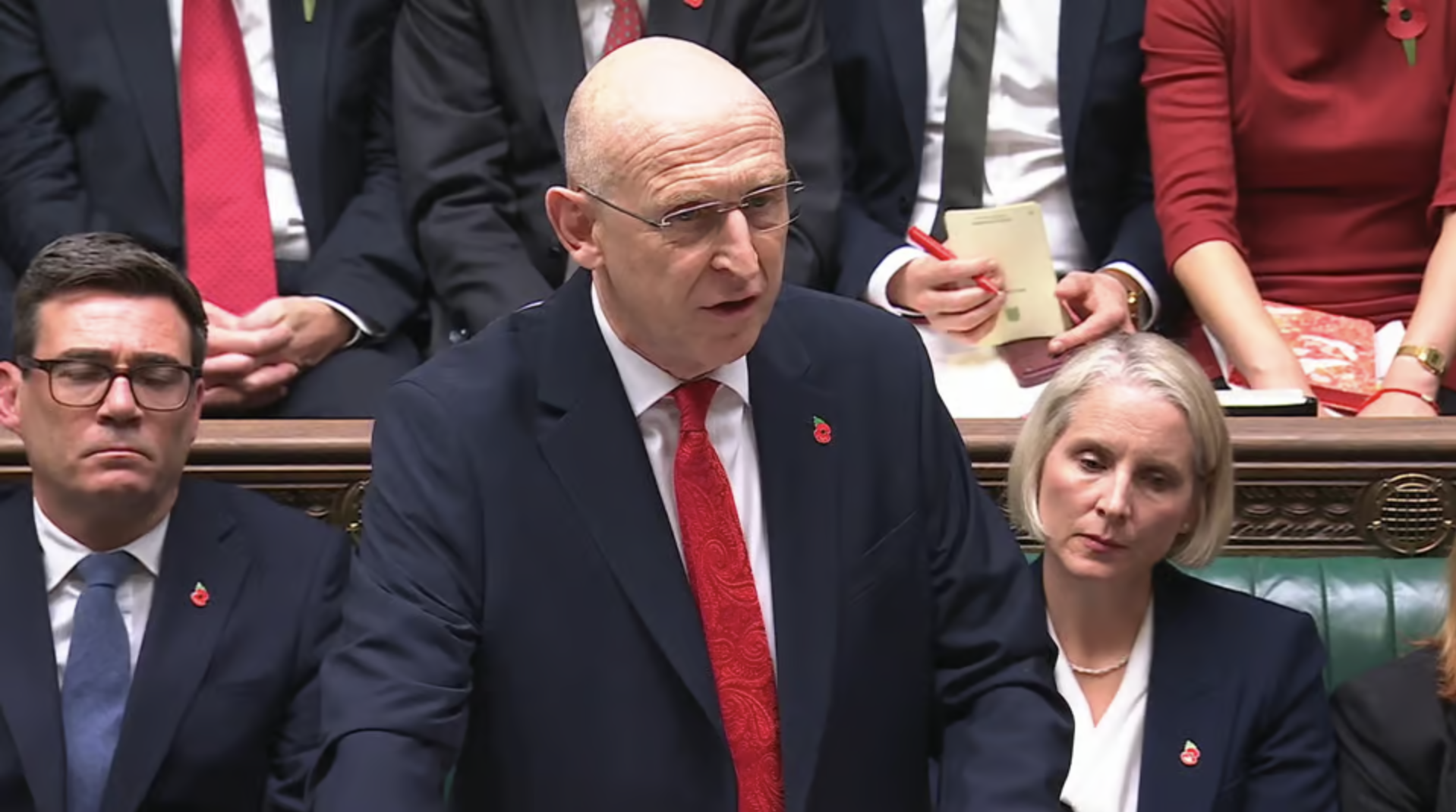
Chancellor John Healey has delivered his first Budget, and the first of Andy Burnham’s government. For founders, it was a far bigger Budget than expected, with the most impactful measures found in the fine print, not in the speech.
The headline is a new Founders’ Relief: 10% capital gains tax on up to £10m of lifetime gains for the founders of high-growth companies, this is basically a stricter version of the old Entrepreneurs’ Relief. There’s also a bigger share option offer for scale-ups and simpler EIS and R&D rules. The catch: BADR’s lifetime limit halves to £500,000, and the hoped-for cut in employer National Insurance didn’t come.
The Budget at a glance for founders
- Exits: Founders’ Relief brings back a 10% CGT rate on up to £10m of gains for high-growth founders from April 2027. BADR’s limit halves to £500,000.
- Share options: CSOP becomes EMI2, with a £120,000 option limit per employee on top of EMI.
- E-commerce: from October 2027, marketplaces will collect VAT on sales by UK businesses that are VAT-registered or sell over £90,000 on a platform.
- Starting up: the trading allowance triples to £3,000.
- Hiring: no new employer National Insurance break, and the minimum wage rises 3.9%.
- Paying yourself: no change to dividend or income tax rates.
- Business costs: corporation tax stays at 25%, equipment gets a bigger first-year allowance, and 70,000 more small shops, pubs and leisure businesses come out of business rates.
Here’s what each change means for you.
1. Selling your business: Founders’ Relief and a smaller BADR
Founders’ Relief is, in effect, the old Entrepreneurs’ Relief brought back: a 10% CGT rate on up to £10m of lifetime gains, which is what founders got until 2020. This time it comes with much stricter criteria, and with a cut to BADR, the relief most business owners actually use. Both changes apply to sales from 6 April 2027. The main CGT rates are unchanged.
| CGT rate | Lifetime limit | |
|---|---|---|
| Founders’ Relief (new) | 10% | £10m |
| BADR | 18% | £500,000 (down from £1m) |
Who qualifies for Founders’ Relief (the detail is out for consultation until 30 November 2026):
- You: at least 25% of the shares when the company started trading, held for five years, plus five years’ UK residence. Later dilution doesn’t disqualify you.
- Your company: a UK trading company with at least £10m turnover and 15 full-time staff in the year before the sale. It must also pass two of three tests: 25% annual turnover growth over three years, 25% annual headcount growth over three years, or £1.5m of R&D spend with relief claimed.
The £10m limit is per person, so co-founders can each claim, and there’s no requirement to reinvest. Any BADR you claim from April 2027 counts against it.
BADR: the rate stays at 18%, but the lifetime limit halves to £500,000. For a higher-rate taxpayer with £1m of gains who doesn’t qualify for Founders’ Relief, that’s up to £30,000 more tax.
What it means for you
If you’re planning an exit, timing now matters. A sale before 6 April 2027 keeps BADR’s £1m limit; a sale after it could get Founders’ Relief, if you and your company meet the tests. Model both before you set a timetable, and keep good records of turnover, headcount and R&D claims, because you’ll need them to prove eligibility.
“For business owners, however, any decision to sell a business or dispose of significant assets should be driven primarily by commercial considerations, not tax alone.”
Oscar Wingham, Tax Partner
2. Share options: EMI2
EMI2 is the old Company Share Option Plan (CSOP), renamed and upgraded for companies that have outgrown EMI: those with more than £120m of gross assets, 500 or more employees, or in sectors EMI excludes. From 6 April 2027:
- the option limit per employee doubles from £60,000 to £120,000
- EMI2 options no longer count against EMI limits, so an employee can hold up to £370,000 across both schemes
- the exercise period extends from 10 to 15 years
Existing CSOP schemes simply carry on as EMI2.
Fundraising and R&D
The British Business Bank gets £5bn more capacity, including £450m for a new venture debt product, so scale-ups can borrow without giving up more equity.
EIS, SEIS and R&D relief rates are unchanged, with some admin fixes: minor slip-ups will no longer cost EIS investors all their relief, and from 1 April 2027 you won’t need to pre-notify HMRC of an R&D claim.
What it means for you
If you’ve outgrown EMI, start planning EMI2 grants for April 2027. For everyone else, it’s business as usual on fundraising and R&D, with a little less paperwork.
3. E-commerce: marketplaces will collect your VAT
From 1 October 2027, Amazon, eBay, Temu and other marketplaces will collect the VAT on sales by UK businesses that are VAT-registered, or that sell more than £90,000 on any single platform. Today they only do this for overseas sellers. Second-hand goods, personal sales and business-to-business sales are excluded. The aim is to stop VAT-dodging sellers undercutting compliant ones, and the money raised helps fund business rates support for the high street.
What it means for you
Your sales to the platform will be treated as zero-rated, so you’ll stop collecting VAT on marketplace sales but still pay it on your costs. Many sellers will move into a VAT repayment position, which is a cash-flow change: you can apply to file monthly VAT returns so refunds arrive faster. HMRC will publish guidance before October 2027, including how the Flat Rate Scheme will work. Build it into your 2027 forecasts now, especially if you also sell through your own site.
4. Starting up: a bigger trading allowance
The trading allowance triples from £1,000 to £3,000 from 6 April 2027, so you can earn more from a side business or new venture before paying tax. That makes it easier to test an idea while you’re still employed.
There’s also a Young Entrepreneurs Allowance pilot to help with living costs in a business’s first year, and a new scale-up programme for women founders.
When it’s time to incorporate, raise and hire, that’s where we come in.
5. Hiring: higher wage floors, no NIC break
There’s no new break on employer National Insurance: the trailed relief for hiring under-25s didn’t appear. What does change is the wage floor. From 1 April 2027, the National Living Wage rises 3.9% to £13.21 an hour, with £11.27 for 18- to 20-year-olds and £8.31 for 16- and 17-year-olds and apprentices. Build that into your hiring plan.
Two talent reforms are on the way: the government will legislate to stop non-compete clauses blocking hires by start-ups and scale-ups, with details due in early 2027, and the High Potential Individual visa will open to graduates of the top 150 global universities.
6. Paying yourself
Dividend and income tax rates are unchanged, so the usual mix of a salary plus dividends still works for many founders. Two changes to plan for:
- Profit extraction: from 6 April 2028, new rules will tax company distributions more consistently. They close off routes, such as a new holding company followed by a share buyback, that let owners take value out of a continuing business at CGT rates instead of as dividends. Genuine sales and family successions stay protected. If you’ve been advised to use a structure like this, take advice first.
- Self-assessment: from April 2029, if you make payments on account, you’ll pay smaller amounts more often through the year instead of two big lump sums.
“For directors, I think the key message is to look at remuneration as a whole rather than focusing on one particular tax rate. Salary, dividends, pension contributions and retained profits all interact, so what works for one director may not be right for another.”
Ben Hodges, Tax Advisor
7. The cost of doing business
Corporation tax stays at 25% and full expensing continues. The main revenue raiser was a temporary doubling of the surcharge banks pay. The changes that will affect growing businesses:
- Buying equipment: the main first-year allowance rises from 40% to 50% for spending from 1 January 2027, while the writing-down allowance falls from 14% to 12% from April 2027. That means more relief up front and less later.
- Mileage: the 55p tax-free rate for the first 10,000 business miles becomes permanent, and the rate above 10,000 miles rises from 25p to 35p from 6 April 2027.
- Business rates: around 70,000 more small retail, hospitality and leisure businesses in England will pay none from April 2027, as relief thresholds rise to £18,000 for full relief and £21,000 for tapered relief. Other sectors aren’t covered.
- Energy: energy-intensive manufacturers get 20-25% off electricity from April 2027. Most tech and consumer brands won’t qualify.
- Paying HMRC: from April 2029, you’ll need a Direct Debit set up for VAT and PAYE, which HMRC will only use if a bill goes unpaid.
“For businesses, certainty is almost as important as the tax rate itself. Companies need to be able to make investment and employment decisions with confidence.”
Paul Woodward, Director of Corporate Tax
8. Beyond the business: pensions and inheritance tax
There were no major new inheritance tax or pension changes for founders, but don’t forget the ones already coming. Business Property Relief is now capped at 100% on the first £2.5m of qualifying assets, and from April 2027 most unused pension funds will count towards your estate.
“The important point for families is that significant changes to Inheritance Tax are already happening, so estate planning should not be put on hold. With the Budget now behind us, there’s no reason to wait any longer.”
Leo Sarkeshik, Personal Tax Manager
For more on personal tax and estate planning, see our colleagues at Rouse.
Talk to us
We help ambitious founders from seed to exit. Our tax team and fractional CFOs can turn today’s announcements into clear, actionable next steps for your business.
Book a call with the Finerva team, or join 4,000+ founders who get our analysis first in the Founder’s Bulletin.
The information available on this page is of a general nature and is not intended to provide specific advice to any individuals or entities. We work hard to ensure this information is accurate at the time of publishing, although there is no guarantee that such information is accurate at the time you read this. We recommend individuals and companies seek professional advice on their circumstances and matters.
-

KPMG Leader Pushes To Include AI In UK Patent Box Scheme
6 April 2026
KPMG head of tax policy argues that the government must broaden the UK’s existing Patent Box regime to encompass a wider range of AI applications.
News : Opinion and Policy
-
Taxation of Dividends in 2026/27
6 April 2026
The dividend ordinary rate applies to dividends falling within the basic rate band and is set at 10.75% for 2026/27.
News : Policy
-
How The Bank of England’s Decision To Hold Interest Rates Impacts The Equity Market
5 February 2026
If the BoE is right about the trajectory of inflation, today’s decision might be the stepping stone towards a healthy exit market in 2027.
News : Investment and Policy




Sign up for the Founder's Bulletin
Join our community of 4,000 + Founders, Entrepreneurs & Advisors. Refreshingly simple financial insights to help your business soar.
