
Key Takeaways From The 2026 Spring Forecast
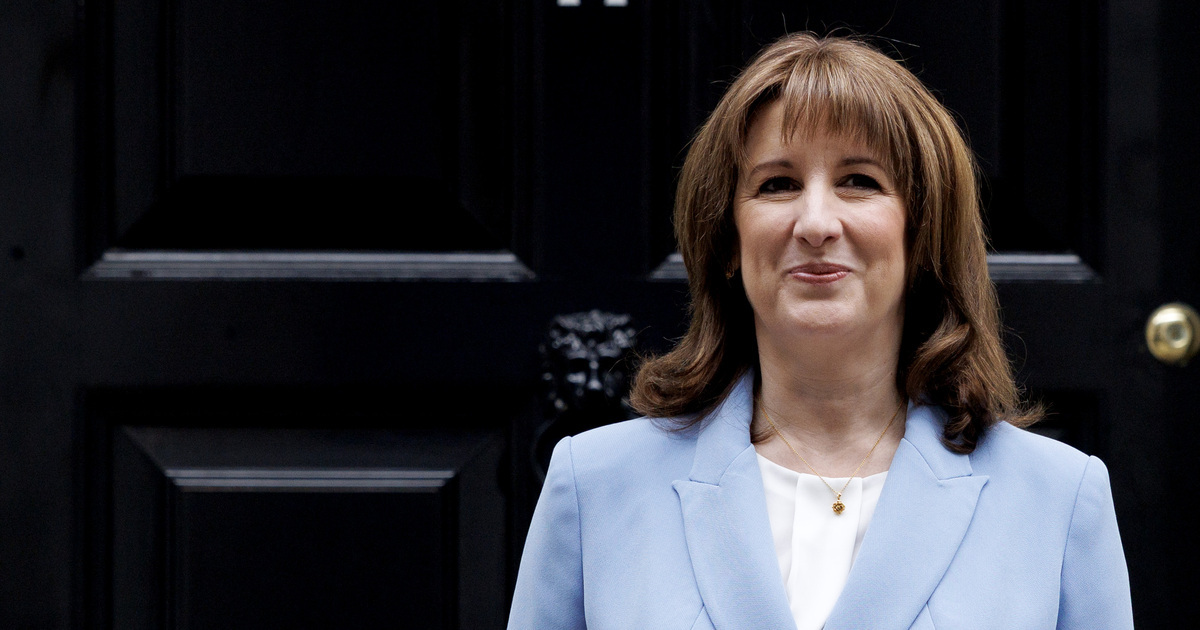
Earlier today Chancellor Rachel Reeves delivered her 2026 Spring Forecast. Having certainly flown under the radar, the Chancellor’s speech focused on a return to fiscal certainty, emphasising the UK’s economic stability amid rising global political turmoil.
While the majority of fiscal changes and tax hikes appears to be behind us, the focus for business owners now turns to what the outcome of these measures means for macroeconomic shifts that will affect operations and strategic planning looking ahead.
Here are our key takeaways from the Spring Forecast for entrepreneurs and business leaders.
Declining Inflation and Cost of Doing Business
Perhaps the most significant ongoing narrative for business owners is the trajectory of inflation. The Chancellor confirmed that the rate of inflation is continuing to fall, driven in part by recent policy decisions. The overarching expectation is that inflation will drop back toward the target rate faster than previously predicted in the Autumn Statement.
Of course, while this doesn’t mean that prices will be decreasing anytime soon, the rate at which they appreciate will decrease significantly, with costs for essential goods and commodities expected to stay broadly stable going forward. Of course, this doesn’t take into account the ripple effects of the ongoing war in Iran on global supply chains, which may well impact oil and gas prices.
Interest Rates: The Bank of England’s Cautious Pause
Alongside falling inflation, the cost of borrowing has remained a central focus of Reeves’s speech, which is interesting especially following the Bank of England’s decision to delay a further rate cut.
Since the General Election, the Chancellor highlighted, there have been a series of rate cuts representing the fastest reduction in 17 years. This “managing expectations” approach certainly reflects the Labour Party’s cautious fiscal agenda, and while this wasn’t explicitly said in the announcement we can see how a rate cut could be further delayed in light of a fragile geopolitical environment and supply chain.
Securing capital is more manageable than last year, but businesses should plan for rates to hover around this level in the immediate term while the Bank waits for further economic clarity.
GDP Growth and the Broader Economic Picture
The Office for Budget Responsibility (OBR) released updated growth forecasts alongside the speech. GDP is forecast to grow by 1.1% in 2026, followed by a slight acceleration to 1.6% in both 2027 and 2028, before settling at 1.5% in 2029 and 2030.
This growth profile is slightly slower in 2026 than previously hoped (the 2026 GDP growth forecast last November was 1.4%), however GDP is expected to grow more across the whole forecasting period.
Businesses should anticipate a steady rather than explosive economic environment in the immediate term. However, the Chancellor did stress that GDP per person is expected to grow more robustly than anticipated in the Autumn.
Navigating the Labour Market and Employment
The labour market continues to present a complex challenge for business owners across the UK. According to the OBR’s updated forecasts, unemployment is expected to peak later this year around 5.3% before falling across the rest of the forecast period.
In response to these shifting dynamics, the government is heavily highlighting new investments in skills and workforce training. This includes an £820 million Youth Guarantee aimed at boosting youth employment, alongside additional, targeted investment in reforming the apprenticeship system.
For businesses that have been struggling with hiring and retention, these government-backed initiatives may offer valuable new avenues for recruiting and training staff in what remains a challenging hiring environment.
Policy Stability: The Last Spring Statement
A central and welcome theme of the Chancellor’s speech was the definitive move away from frequent, disruptive fiscal announcements. The government has committed to hosting only one major fiscal event per year, effectively limiting significant policy changes to the Autumn Budget, effectively making this the last Spring Statement, for now…
The Chancellor emphasised the absolute necessity of regulatory certainty as a precondition for national economic growth.
For business owners, this commitment means fewer sudden changes to the tax code or the regulatory environment mid-year, allowing for much more confident medium- and long-term strategic planning.
The information available on this page is of a general nature and is not intended to provide specific advice to any individuals or entities. We work hard to ensure this information is accurate at the time of publishing, although there is no guarantee that such information is accurate at the time you read this. We recommend individuals and companies seek professional advice on their circumstances and matters.
-

RouseFinerva is a Double-Finalist at the Accounting Excellence Awards 2026
14 July 2026
We are proud to be nominated for Employer of the Year and Bookkeeping Team of the Year at the Accounting Excellence Awards 2026.
News : Awards and Company News
-
KPMG Leader Pushes To Include AI In UK Patent Box Scheme
6 April 2026
KPMG head of tax policy argues that the government must broaden the UK’s existing Patent Box regime to encompass a wider range of AI applications.
News : Opinion and Policy
-
Taxation of Dividends in 2026/27
6 April 2026
The dividend ordinary rate applies to dividends falling within the basic rate band and is set at 10.75% for 2026/27.
News : Policy



Sign up for the Founder's Bulletin
Join our community of 4,000 + Founders, Entrepreneurs & Advisors. Refreshingly simple financial insights to help your business soar.
