
Autumn Statement 2023: Does It Impact Your Business?
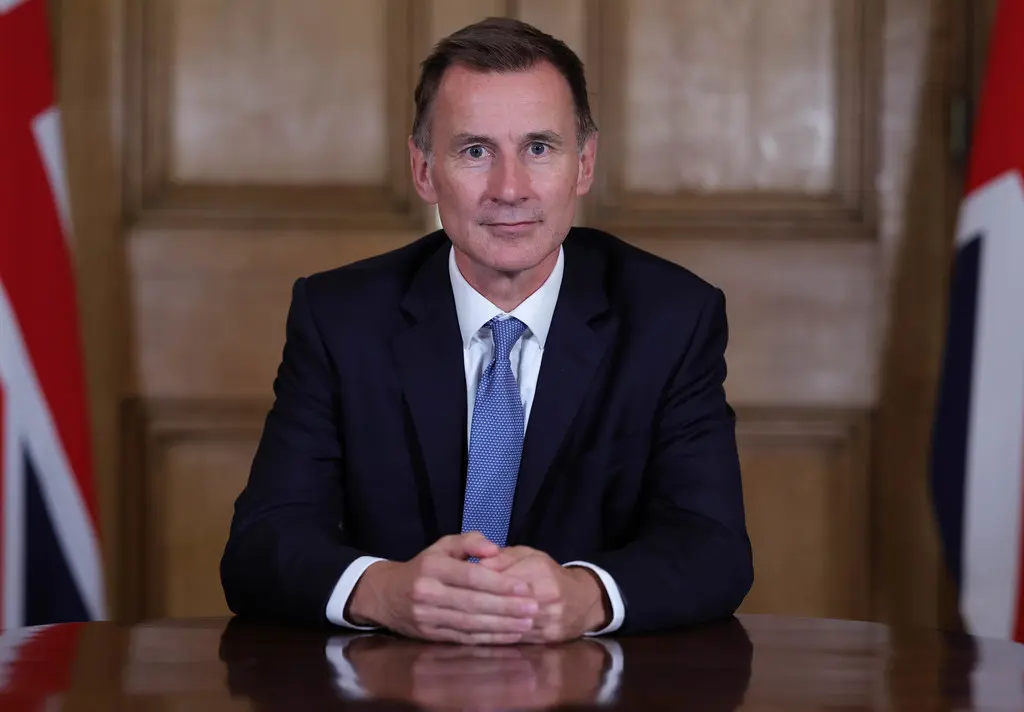
In the 2023 Autumn Statement, Chancellor Jeremy Hunt addressed the UK’s precarious economic situation and the Conservative government’s strategies ahead of the anticipated general election. Although not heavily focused on business policy, the statement did bring some positive news for business owners, notably the permanent implementation of “full expensing”.
Key labour market initiatives, such as the 2% reduction in Employee National Insurance contributions and the increase in the National Living Wage, will significantly affect both employers and employees.
Positive Aspects:
According to OBR data, the Conservative government’s strategies to control inflation, reduce government debt, and promote economic growth appear to be effective for now.
The Chancellor’s announcement of making “full expensing” a permanent fixture, described as the largest business tax cut in British history, is a significant boon for business owners.
Negative Aspects:
Shadow Chancellor Rachel Reeves noted that the long-term growth remains below the forecasts made in March, with GDP showing no growth in the last quarter. This underscores the ongoing fragility of the UK economy, although it seems to be recovering from a recession.
Uncertainties:
The merger of existing R&D Credit schemes, set for April 2024, aligns with the draft legislation released earlier. This consolidation will result in a 19% tax rate for loss-making companies and a lowered threshold for additional R&D support for certain SMEs, potentially benefiting an additional 5,000 SMEs. The full impact of these changes remains to be seen.
Highlights for Start-Ups and Scale-Ups
Permanent Full Expensing
This policy allows businesses to claim full capital allowances on eligible IT and machinery investments, aimed at boosting long-term business investment.
The measure, dubbed “Full Expensing: Invest for Less” allows businesses to claim 100% capital allowances on qualifying IT equipment and plant & machinery investments.
Although costly, the measure is intended to boost business investment over the long term, reaffirming the UK as having one of the most generous business policies worldwide.
R&D Credits Merge
This initiative, aiming to simplify the application process and reduce fraud, will merge the existing SME and RDEC schemes for R&D tax credits. We covered this topic in depth when the draft legislation was first made public in July this year.
While the exact details of how this will be implemented have not yet been published, we do know that in the new single scheme, loss-making SMEs will be taxed at 19%, and that the threshold for additional support for R&D intensive loss-making SMEs will be lowered to 30%.
National Living Wage Increase
Confirmed for April 2024, this 9.8% increase raises the wage to £11.44 per hour for workers over 21, impacting businesses employing staff at minimum wage.
While this measure seems absolutely fair in times of high inflation, businesses who employ staff on minimum wage will incur a payroll increase of nearly 10% starting in April 2024.
Tax Cuts
Employee National Insurance will drop from 12% to 10% in January 2024, providing a notable tax cut for average earners. This translates into an annual tax cut of over £450 for the average worker earning £35,400. Self-employed individuals will see a reduction in Class 4 NICs and the abolition of Class 2 NICs from April 2024.
Infrastructure and Levelling Up
Investment Zones and Freeport tax reliefs are set to be extended from 5 years to 10 years, accompanied by a new £150 million Investment Opportunity Fund.
The Chancellor also announced the addition of 3 new Investment Zones in Greater Manchester, East Midlands, and the West Midlands.
Workforce and Welfare Reforms
As widely expected, the Chancellor announced that people on benefits for physical or mental health reasons will be required to seek remote work positions where possible. This means that ability to work from home will be considered in their fitness to work assessment.
In addition, workers who have been unemployed for over 18 consecutive months will be required to attend mandatory work placements to boost skills and employability.
The information available on this page is of a general nature and is not intended to provide specific advice to any individuals or entities. We work hard to ensure this information is accurate at the time of publishing, although there is no guarantee that such information is accurate at the time you read this. We recommend individuals and companies seek professional advice on their circumstances and matters.
-

KPMG Leader Pushes To Include AI In UK Patent Box Scheme
6 April 2026
KPMG head of tax policy argues that the government must broaden the UK’s existing Patent Box regime to encompass a wider range of AI applications.
News : Opinion and Policy
-
Taxation of Dividends in 2026/27
6 April 2026
The dividend ordinary rate applies to dividends falling within the basic rate band and is set at 10.75% for 2026/27.
News : Policy
-
How The Bank of England’s Decision To Hold Interest Rates Impacts The Equity Market
5 February 2026
If the BoE is right about the trajectory of inflation, today’s decision might be the stepping stone towards a healthy exit market in 2027.
News : Investment and Policy




Sign up for the Founder's Bulletin
Join our community of 4,000 + Founders, Entrepreneurs & Advisors. Refreshingly simple financial insights to help your business soar.
